(Dallas, TX) April 14, 2026 — Few topics in music surface as consistently or get dismissed as quickly — as artist development. The standard was set long before the conversation grew tired of itself. There are many reasons why it continues to surface in conversations across the industry, but it wouldn’t be fair to explore it without first understanding the history and context behind it.
The Standard Was Set
In 1959, Motown Records was founded by Berry Gordy Jr. in Detroit, Michigan. From this label emerged an extraordinary roster of talent — shaped by a structured in-house development system that became foundational to the music industry itself. Maxine Powell led what was known as the “Finishing School,” refining artists through etiquette, presentation, and performance, while Gordy implemented Quality Control meetings modeled after Detroit’s automotive assembly lines. Songs were not simply recorded—they were evaluated, refined, and perfected.

Artists weren’t just recorded—they were developed.
That system produced more than hits. It produced professionals. From Stevie Wonder to The Jackson 5, Marvin Gaye, and Diana Ross, the results were not accidental—they were engineered. Motown—“Hitsville U.S.A.”—didn’t just shape music. It defined the standard for how artists are built.
A Missing Step
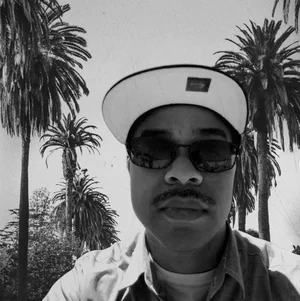
Fast forward to 2004 when the process became personal. I began making beats using a drum machine and a keyboard, unaware that what started as a hobby would evolve into recording artists. As that journey progressed, it naturally expanded into mixing and mastering.
The passion was there. The direction wasn’t. Like many independent creators, I found myself asking a familiar question: how do you take what you’ve created and present it at a level that actually resonates? I was self-taught—learning through trial and error—without the structure of a system like Motown’s. What I eventually realized was that I had bypassed a critical phase: development. Not just improving sound—but refining vision, execution, and positioning. That missing piece didn’t just improve the music—it changed the outcome.
- B. Meyers
What Artist Development Actually Is
Artist development today is no longer optional—it is the dividing line between visibility and viability.
It shapes everything:
- Sound and production quality
- Songwriting and vocal performance
- Branding and visual identity
- Stage presence and delivery
- Business awareness and strategy
It is the difference between releasing music and building a career.
Algorithm-driven platforms reward consistency, strategy, and infrastructure—the same fundamentals artist development has always required.
Without development, artists risk being heard—but not remembered.
Development builds discipline. It refines taste. It sharpens execution. It teaches artists how to move with intention instead of reaction.
More importantly, it creates sustainability in a space that often rewards speed—but only respects consistency.
At its core, artist development is alignment—aligning sound with vision, brand with audience, and creativity with a standard that can compete at the highest level.
Why it matters now more than ever?
“Because the barrier to entry is gone—but the barrier to excellence remains.”
Anyone can upload a song.
Not everyone can build a catalog.
Not everyone can create a moment.
Not everyone can sustain a career.
That separation is not talent. It's develpoment.
The Foundation
For platforms like iKon Music & Entertainment, the mission goes beyond simply recording music. It is about creating an environment where artists can evolve—where sound, culture, and innovation intersect to build something lasting. Development is not a step in the process; it is the process.
So the next time you hear the phrase “artist development,” understand that it's not noise—it’s direction. It’s the difference between being part of the moment and building something that outlives it.
Music. Culture. Innovation.
Key Highlights
- Artist development has always been the foundation — shaping careers, not just songs.
- Talent alone is not enough — it must be refined through discipline and direction.
- Access doesn’t replace preparation — visibility without readiness lacks impact.
- Modern development is multi-dimensional — sound, branding, performance, and business all matter.
- Development builds sustainability — turning moments into lasting careers.
About iKon Music & Entertainment
iKon Music & Entertainment is a creative company focused on artist development, production, branding, and strategic growth. Through music, media, and editorial storytelling, the company supports emerging independent talent with a long-view approach to identity and impact.